Food Source:
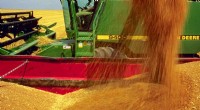
* Directly: Humans and many animals directly consume plants for nutrition. This includes fruits, vegetables, grains, nuts, and seeds.
* Indirectly: Herbivores eat plants, and we consume those herbivores (meat). This food chain relies on plants as the foundation.
Oxygen Production:
* Photosynthesis: Plants produce oxygen as a byproduct of photosynthesis, the process they use to convert sunlight into energy. This oxygen is essential for the respiration of all living organisms, including humans and animals.
Shelter and Habitat:
* Trees and Forests: Provide shelter, nesting materials, and protection for countless animals, from insects to birds to large mammals.
* Other Plants: Grasses, shrubs, and other plants create diverse habitats that support a variety of wildlife.
Medicinal Benefits:
* Traditional Medicine: Many plants have been used for medicinal purposes for centuries. Modern medicine also derives many drugs and treatments from plant compounds.
* Essential Oils: Plants produce essential oils with therapeutic properties, used in aromatherapy and holistic practices.
Environmental Benefits:
* Climate Regulation: Plants play a critical role in absorbing carbon dioxide from the atmosphere, helping to mitigate climate change.
* Soil Health: Plants help improve soil fertility, prevent erosion, and provide habitats for beneficial microorganisms.
Other Uses:
* Building Materials: Wood from trees has been used for construction, furniture, and other purposes for millennia.
* Clothing: Cotton, linen, and other plant fibers are used to make clothing.
* Paper: Paper is primarily made from wood pulp.
* Biofuel: Certain plants are used to produce biofuels, offering a renewable energy source.
Conclusion:
Plants are fundamental to life on Earth, providing food, oxygen, shelter, medicine, and a range of other resources that are essential for the survival and well-being of humans and animals alike. It's crucial to recognize and respect the vital role plants play in our ecosystems and to ensure their continued health and preservation for future generations.