1. Observe but Don't Touch:
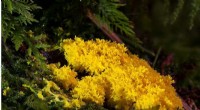
* Take pictures: Capture clear photos of the whole plant, including the leaves, flowers (if present), stem, and any unique features.
* Note the location: Remember where you found the plant (general area, nearby trees, etc.).
* Avoid touching: Some plants can be poisonous upon contact.
2. Use a Field Guide and Online Resources:
* Local field guide: Look for a field guide specific to your region, as plants vary greatly depending on location.
* Online resources: Websites like iNaturalist, PlantSnap, or Google Lens can help with plant identification using photos.
3. Consult an Expert:
* Local botanist or naturalist: Reach out to experts at your local botanical garden, nature center, or university for assistance.
* Online forums: Share your photos on plant identification forums for expert help.
4. Never Eat Wild Plants:
* Even if you think you've identified a plant correctly, never consume it without absolute certainty.
* Many plants that look edible can be toxic.
Remember: Identifying plants is best done with caution and the help of experts. If you're unsure about a plant, it's always best to err on the side of caution and leave it alone.