* Renewable: Biodiversity, which is the variety of life on Earth, can be replenished and regenerated through natural processes. Species can reproduce and populations can grow, which can restore biodiversity over time.
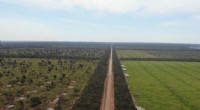
* But, not infinitely renewable: While biodiversity is renewable, it's not infinitely so. Human activities like habitat destruction, pollution, and climate change can lead to extinctions and significant losses of biodiversity. These losses can be irreversible, meaning that once a species is gone, it's gone forever.
Therefore, we need to manage biodiversity as a renewable resource with care and sustainability in mind. This means:
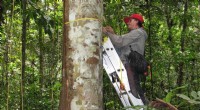
* Protecting habitats: Conserving natural areas like forests, oceans, and wetlands.
* Reducing pollution: Minimizing the release of pollutants into the environment.
* Addressing climate change: Mitigating the impacts of climate change on ecosystems.
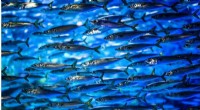
* Sustainable practices: Promoting sustainable agriculture, forestry, and fishing practices.
By taking these steps, we can help ensure that biodiversity remains a renewable resource for generations to come.