* Oxygen: Plants produce oxygen as a byproduct of photosynthesis. This oxygen is essential for most living things, including humans.
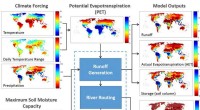
* Water Vapor: Plants release water vapor into the atmosphere through transpiration. This helps regulate the plant's temperature and contributes to the water cycle.
* Nutrients: Plants release nutrients into the soil through their roots. These nutrients are used by other plants and microorganisms.
* Chemicals: Plants produce a wide variety of chemicals, including some that are beneficial to humans, like medicines. Others can be harmful, like toxins that deter predators.
* Heat: Plants release heat as a byproduct of their metabolism. This heat can be significant in some cases, like when plants are actively growing.
In addition to these, plants also give out:
* Pollen: This is released by flowering plants to aid in reproduction.
* Seeds: These are also released by flowering plants for reproduction.
* Fruits: These are the mature ovaries of flowering plants and are used to disperse seeds.
So, while the answer to what plants give out can be simple (oxygen), it's important to remember the many other ways plants contribute to their environment and to life on Earth.