Biodiversity encompasses the different levels of biological organization, including:
* Species diversity: The number and abundance of different species in a given area.
* Genetic diversity: The variation in genes within a species.
* Ecosystem diversity: The variety of habitats, communities, and ecological processes in a region.
Here's a breakdown:
* Species diversity is a measure of the number of different species in a given area. A region with high species diversity has many different species, while a region with low species diversity has fewer.
* Genetic diversity is the variety of genes within a species. This diversity is important for a species' ability to adapt to changing environmental conditions.
* Ecosystem diversity is the variety of habitats, communities, and ecological processes in a region. A region with high ecosystem diversity has a wide range of different ecosystems, each with its own unique set of plants, animals, and microorganisms.
Biodiversity is essential for the health and well-being of our planet. It provides us with many valuable resources, including food, medicine, and clean air and water. It also helps to regulate climate, control pests, and pollinate crops.
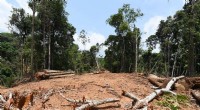
Loss of biodiversity is a serious problem that is being caused by human activities such as habitat destruction, pollution, and climate change. We need to protect biodiversity to ensure the health of our planet and the well-being of future generations.