Population
* Definition: A group of individuals of the same species living in the same area at the same time.
* Focus: The dynamics within a single species group, including:
* Population size: The number of individuals.
* Population density: The number of individuals per unit area.
* Population growth rate: The change in population size over time.
* Age structure: The distribution of individuals across different age groups.
* Birth and death rates: Factors influencing population growth.
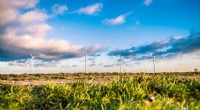
* Example: A population of rabbits living in a meadow.
Ecosystem
* Definition: A community of interacting organisms (all species present) and their physical environment.
* Focus: The interactions between living organisms and their abiotic surroundings, including:
* Energy flow: How energy moves through the system (from sunlight to producers to consumers).
* Nutrient cycling: The movement of essential elements (like carbon, nitrogen, and phosphorus) within the ecosystem.
* Biodiversity: The variety of life within the ecosystem.
* Habitat: The physical environment that provides resources for organisms.
* Trophic levels: The different feeding levels within the ecosystem (e.g., producers, consumers, decomposers).
* Example: A forest ecosystem includes trees, birds, insects, soil, water, and sunlight.
Key Differences:
* Scope: Population focuses on a single species, while ecosystems encompass all living things and their surroundings.
* Focus: Population examines the internal dynamics of a species, while ecosystems explore the interactions between organisms and their environment.
* Examples: A rabbit population is a part of a larger forest ecosystem.
Relationship:
A population is a component of an ecosystem. The dynamics of a population (e.g., growth, decline) can impact the overall health and stability of the ecosystem. For example, a decrease in the rabbit population might affect the populations of predators that rely on them for food, or the availability of certain plants that rabbits consume.