Plants:
* Temperature: Plants have specific temperature ranges for optimal growth. Too cold, and they might freeze; too hot, and they might desiccate.
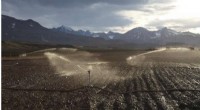
* Precipitation: Water is essential for plant life. Rainfall dictates the types of plants that can thrive in an area. For example, deserts have very limited vegetation due to low rainfall, while rainforests are teeming with plant life due to abundant rainfall.
* Sunlight: Plants need sunlight to photosynthesize. Sunlight intensity and duration determine the type of plants that can grow in a particular region.
* Wind: Wind can influence plant growth by spreading seeds, contributing to pollination, and affecting transpiration rates.
Animals:
* Temperature: Animals, like plants, have temperature ranges for survival. Some animals hibernate in cold temperatures, while others migrate to warmer climates.
* Precipitation: Water is essential for animal life, influencing their habitat, food sources, and breeding patterns.
* Sunlight: Sunlight provides warmth and energy for animals, as well as influences the availability of their food sources.
* Wind: Wind can affect animal migration patterns, food availability, and even their ability to build shelters.
Examples of Climate Influence:
* Tropical rainforests: Abundant rainfall and warm temperatures support a vast diversity of plants and animals.
* Deserts: Extremely low rainfall and high temperatures limit the plant and animal life found in these areas.
* Tundra: Cold temperatures and limited sunlight lead to sparse vegetation and specialized animals adapted to these harsh conditions.
* Coral reefs: Sensitive to temperature changes, coral reefs are severely impacted by climate change, leading to coral bleaching and ecosystem collapse.
Climate Change Impacts:
Climate change is altering these patterns, impacting plant and animal life in various ways:
* Shifting Ranges: Animals and plants are forced to relocate as their preferred climates become unsuitable.
* Increased Extinctions: Species unable to adapt to changing conditions may face extinction.
* Food Shortages: Changes in precipitation and temperature can disrupt food chains and lead to shortages for both animals and humans.
* Disease Outbreaks: Climate change can create favorable conditions for disease vectors, leading to outbreaks.
In conclusion, climate patterns are vital for the survival and distribution of plant and animal life. Understanding the intricate relationship between climate and life is crucial for addressing the challenges posed by climate change and ensuring the health and well-being of our planet's ecosystems.