Human-made ecosystems, also known as anthropogenic ecosystems, are environments created and heavily influenced by human activities. They are characterized by:
1. Intentional Design and Management:
* Purposeful creation: Human-made ecosystems are designed for specific purposes, like agriculture, urban development, or resource extraction.
* Active management: They require constant human intervention for maintenance, resource input, and control of natural processes. This can include:
* Fertilization: Adding nutrients to enhance growth (e.g., agriculture).
* Irrigation: Supplying water to compensate for natural fluctuations.
* Pest control: Preventing damage from insects, diseases, or weeds.
* Harvesting: Removing resources at specific times and rates.
2. Simplification and Reduced Biodiversity:
* Limited species diversity: Human-made ecosystems often support a smaller range of species compared to natural ecosystems.
* Domination by a few species: A few selected species are favored and often cultivated, while others are actively suppressed.
* Artificial habitats: The physical structure is often simplified, lacking the diversity and complexity of natural environments.
3. Altered Nutrient Cycles and Energy Flow:
* External inputs: Human-made ecosystems rely heavily on external inputs of nutrients, energy, and resources.
* Waste accumulation: Human activities can lead to the accumulation of waste products that may disrupt natural cycles and harm the environment.
* Increased nutrient loading: Excess nutrients from fertilizers and other sources can lead to eutrophication and pollution.
4. Increased Vulnerability and Dependence:
* Susceptibility to disturbance: Human-made ecosystems are often more vulnerable to disruptions from human activities, climate change, or invasive species.
* Dependence on human intervention: Their continued existence and stability rely on ongoing human management and inputs.
5. Examples of Human-Made Ecosystems:
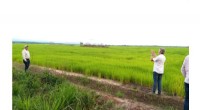
* Agricultural fields: Crops are cultivated for food production.
* Urban areas: Cities and towns provide housing and infrastructure for human populations.
* Aquaculture ponds: Fish and shellfish are raised for consumption.
* Mine sites: Areas excavated for mineral resources.
* Reservoirs: Impounded water bodies for storage and hydropower generation.
Overall, human-made ecosystems offer advantages for human needs but also pose challenges for ecological balance and sustainability. Understanding their characteristics is crucial for responsible management and minimizing their environmental impact.