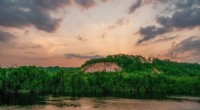
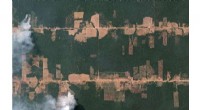
1. Habitat Loss and Fragmentation: This is the most significant driver of biodiversity loss.
* Loss: Direct destruction of habitats, like deforestation, urbanization, and conversion of land for agriculture, eliminates living spaces for plants and animals.
* Fragmentation: Breaking up large, continuous habitats into smaller, isolated patches increases the risk of extinction by reducing population sizes and limiting gene flow.
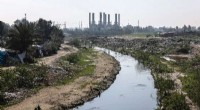
2. Pollution: The introduction of harmful substances into the environment can disrupt ecosystem processes and harm organisms.
* Air Pollution: Smog, acid rain, and greenhouse gases can damage plants, disrupt photosynthesis, and affect the climate.
* Water Pollution: Chemicals, fertilizers, sewage, and industrial waste can contaminate water sources, harming aquatic life and impacting human health.
* Soil Pollution: Pesticides, heavy metals, and other pollutants can contaminate soil, affecting plant growth and food webs.
3. Climate Change: The warming of the planet, driven primarily by human activities, alters ecosystems in profound ways.
* Temperature Changes: Shifts in temperature can alter species distributions, disrupt breeding cycles, and increase the frequency and intensity of wildfires.
* Precipitation Changes: Changes in rainfall patterns can lead to droughts, floods, and altered water availability, impacting vegetation and animal populations.
* Ocean Acidification: Increased carbon dioxide absorption by the ocean lowers its pH, harming marine life and coral reefs.
These are just some of the ways ecosystems can be altered. Human activities are a major factor in many of these changes, making it crucial to understand the interconnectedness of our world and work towards sustainable practices.