Living Things:
* Plants: Trees, flowers, grasses, ferns, algae, mosses, etc.
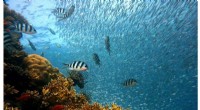
* Animals: Mammals, birds, reptiles, amphibians, fish, insects, etc.
* Fungi: Mushrooms, molds, yeasts, etc.
* Microorganisms: Bacteria, viruses, etc.
Non-Living Things:
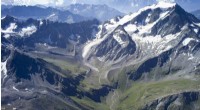
* Landforms: Mountains, valleys, rivers, oceans, deserts, etc.
* Water bodies: Oceans, lakes, rivers, streams, etc.
* Weather and Climate: Rain, snow, wind, temperature, etc.
* Geologic features: Rocks, minerals, soil, etc.
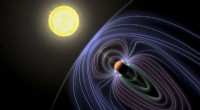
* Celestial objects: Sun, moon, stars, planets, etc.
Processes and Phenomena:
* Ecosystems: The interactions between living organisms and their environment.
* Evolution: The gradual change in living organisms over time.
* Natural disasters: Earthquakes, volcanic eruptions, floods, hurricanes, etc.
* Seasons: Spring, summer, fall, winter.
* Light and sound: The natural phenomena that enable us to see and hear.
In essence, nature is everything that exists outside of human influence. It's the vast and complex web of life and non-life that supports our existence.
It's important to note that the boundaries between "nature" and "human-made" can be blurry. For example, a city park may be designed by humans, but it still contains natural elements like trees, plants, and animals.