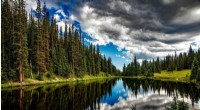
These corridors can be natural, like a river valley or a forested ridge, or they can be created by humans. They are important for a variety of reasons:
* Maintaining genetic diversity: Corridors allow animals to move between populations, which helps to prevent inbreeding and maintain genetic diversity.
* Supporting migration: Many animals migrate long distances to find food, water, or breeding grounds. Corridors provide safe passage for these migrations.
* Connecting fragmented habitats: Human development often fragments habitats, leaving isolated patches of wilderness. Corridors connect these patches, allowing animals to access resources and find mates.
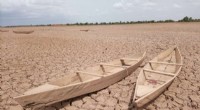
* Adapting to climate change: Corridors can help animals adapt to climate change by allowing them to move to more suitable habitats.
Examples of wildlife corridors include:
* The Yellowstone to Yukon Conservation Initiative in North America, which aims to create a corridor of protected land for grizzly bears and other wildlife.
* The Great Green Wall in Africa, which is a project to restore degraded land and create a corridor of green space across the continent.
Wildlife corridors are an important tool for conservation, and they are essential for the survival of many species.