Here's a breakdown:
Biotic Factors:
* Producers: Plants and algae that convert sunlight into energy through photosynthesis.
* Consumers: Animals that eat other organisms for energy.
* Decomposers: Organisms like fungi and bacteria that break down dead organisms and waste products.
* Competition: Interactions between organisms for resources like food, water, and space.
* Predation: One organism (predator) hunting and consuming another (prey).
* Symbiosis: Interactions between organisms that benefit at least one of them, including mutualism (both benefit), commensalism (one benefits, the other is unaffected), and parasitism (one benefits, the other is harmed).
Abiotic Factors:
* Climate: Temperature, rainfall, humidity, sunlight.
* Soil: Composition, texture, nutrient content.
* Water: Availability, quality, salinity.
* Topography: Elevation, slope, aspect.
* Air: Gases present, pollution levels.
Examples of Ecosystems:
* Forest: Trees, animals, insects, fungi, soil, sunlight, rainfall.
* Ocean: Fish, coral reefs, plankton, currents, salinity, temperature.
* Grassland: Grasses, herbivores, predators, soil, sunlight, rainfall.
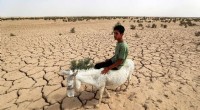
* Desert: Cacti, reptiles, insects, sand, extreme temperatures, low rainfall.
Key Points:
* Ecosystems are dynamic and constantly changing.
* They are interconnected, with changes in one part affecting the whole.
* They are essential for life, providing resources and regulating environmental processes.
It's important to remember that ecosystems are not defined by fixed boundaries. They can be large or small, and they can overlap. The specific components and their interactions vary depending on the ecosystem's location and type.