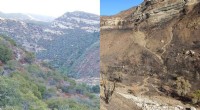
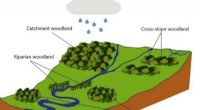
* Deforestation: Cutting down forests for timber, agriculture, and urbanization releases vast amounts of carbon stored in trees into the atmosphere. Trees absorb carbon dioxide (CO2) during photosynthesis, so removing them disrupts this natural carbon sink.
* Land-use changes: Converting forests, grasslands, and other ecosystems into farmland, urban areas, and infrastructure reduces the amount of vegetation that can absorb CO2.
* Forest fires: While some forest fires are natural, human activities like logging and climate change have increased the frequency and intensity of wildfires. These fires release massive amounts of stored carbon into the atmosphere.
* Agriculture: Intensive agriculture practices like monoculture farming and the use of fertilizers can deplete soil carbon and reduce its ability to store carbon.
Consequences of Human-Induced Vegetation Destruction:
* Increased atmospheric CO2: This contributes to global warming and climate change.
* Reduced carbon sequestration: With less vegetation, less CO2 is absorbed from the atmosphere, further exacerbating the problem.
* Disrupted ecosystems: Loss of vegetation impacts biodiversity, soil health, and water cycles, leading to habitat loss and ecological imbalance.
Solutions:
* Reforestation and afforestation: Planting trees can help restore carbon sinks and mitigate climate change.
* Sustainable forest management: Practices that promote responsible logging and forest conservation can help maintain carbon storage.
* Improved agricultural practices: Adopting methods like agroforestry and reduced tillage can increase soil carbon sequestration.
* Urban greening: Planting trees and green spaces in cities can help absorb CO2 and improve air quality.
In conclusion, human destruction of vegetation is a major contributor to the disruption of the carbon cycle and the resulting climate change. It's crucial to prioritize sustainable land-use practices, protect existing forests, and promote reforestation efforts to mitigate the negative impacts.