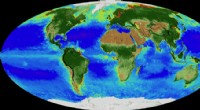
Ecological balance is the delicate equilibrium within an ecosystem where all living organisms and their physical environment exist in a harmonious and sustainable relationship. Maintaining this balance is crucial for the well-being of our planet and all its inhabitants. It involves a complex interplay of factors and requires conscious efforts on our part.
Here's a detailed breakdown of key areas to consider for maintaining ecological balance:
1. Understanding Ecosystems:
* Interconnectedness: Every organism and its environment are interconnected. Understanding the intricate web of relationships between species, their habitats, and the physical factors like climate, soil, and water is paramount.
* Trophic Levels: The flow of energy and nutrients through food chains (producers, consumers, decomposers) is crucial for maintaining a balanced ecosystem. Disruptions at one level can have cascading effects on others.
* Carrying Capacity: Each ecosystem has a limited carrying capacity, the maximum number of organisms it can sustainably support. Overpopulation of any species can lead to resource depletion and ecosystem collapse.
2. Human Impact and Solutions:
* Population Growth: Human population growth is a major driver of ecological imbalance. Sustainable development practices and family planning initiatives are crucial.
* Resource Consumption: Overexploitation of resources like water, forests, and minerals disrupts ecosystems. Sustainable practices like conservation, recycling, and renewable energy are essential.
* Pollution: Pollution from various sources (air, water, land) contaminates ecosystems and harms organisms. Reducing emissions, implementing stricter regulations, and promoting sustainable waste management are crucial.
* Habitat Loss and Fragmentation: Deforestation, urbanization, and agriculture destroy natural habitats, causing biodiversity loss. Protecting existing ecosystems, creating wildlife corridors, and reforestation efforts are crucial.
* Climate Change: Global warming significantly disrupts ecosystems and threatens biodiversity. Reducing greenhouse gas emissions, promoting renewable energy, and adapting to changing climates are essential.
3. Actions for Sustainable Living:
* Individual Actions:
* Reduce, reuse, and recycle: Minimize waste and promote circular economy practices.
* Conserve water and energy: Adopt water-saving techniques and use energy-efficient appliances.
* Support sustainable agriculture: Choose organic food and locally sourced produce.
* Reduce consumption and embrace minimalism: Focus on quality over quantity and minimize unnecessary purchases.
* Educate yourself and others: Spread awareness about environmental issues and encourage others to adopt sustainable practices.
* Community and Government Initiatives:
* Environmental regulations and policies: Stricter laws and regulations are needed to protect ecosystems and combat pollution.
* Investing in renewable energy: Transitioning to renewable energy sources like solar, wind, and hydropower.
* Conservation efforts: Protecting endangered species and their habitats through national parks, wildlife sanctuaries, and protected areas.
* Urban planning for sustainability: Promoting green spaces, sustainable transport, and resource-efficient buildings.
4. Key Principles for Maintaining Ecological Balance:
* Biodiversity: Preserving and restoring biodiversity is fundamental for a healthy ecosystem.
* Ecosystem services: Recognizing and valuing the essential services that ecosystems provide, such as clean air, water, and pollination.
* Resilience: Building resilience into ecosystems through adaptation and management strategies to withstand disturbances.
* Adaptive management: Monitoring ecosystems, learning from changes, and adapting management strategies accordingly.
5. Conclusion:
Maintaining ecological balance is a complex and ongoing challenge, but it is essential for the long-term health of our planet and our own survival. Through a concerted effort of individual actions, community initiatives, and government policies, we can contribute towards a more sustainable future.