Here's why:
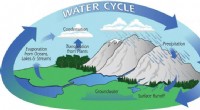
* Ecosystems are defined by their interactions: An ecosystem is defined by the living organisms (biotic factors) and their interactions with the non-living environment (abiotic factors) within a specific area.
* Size is relative: The size of an ecosystem can range from a tiny puddle to a vast ocean.
* Examples of varying sizes:
* Microecosystems: A single decaying log can support a micro-ecosystem.
* Mesoecosystems: A pond or a forest are examples of meso-ecosystems.
* Macro-ecosystems: Deserts, oceans, or entire continents can be considered macro-ecosystems.
It's the relationships and interactions that matter, not the size. A small ecosystem can have complex interactions, just as a large ecosystem can have simplified interactions.