Agriculture is a broad field with various branches, each focusing on specific aspects of food and fiber production. Here are some key branches:
1. Crop Production:
* Agronomy: The science of crop production, focusing on soil management, crop rotation, fertilization, and pest control.
* Horticulture: The science of cultivating plants, including fruits, vegetables, flowers, and ornamentals.
* Viticulture: The science of cultivating grapes, focusing on winemaking and other grape products.
* Olericulture: The science of cultivating vegetables.
* Pomology: The science of cultivating fruits.
* Floriculture: The science of cultivating flowers and ornamentals.
* Silviculture: The science of managing forests for timber and other forest products.
2. Animal Production:
* Animal Science: The science of raising livestock, including cattle, pigs, sheep, poultry, and other animals for food, fiber, and other products.
* Dairy Science: The science of managing dairy animals and producing milk and other dairy products.
* Poultry Science: The science of raising poultry, including chickens, turkeys, ducks, and geese.
* Aquaculture: The science of farming aquatic organisms, such as fish, shrimp, and shellfish.
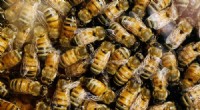
* Beekeeping: The science of managing honey bees and other pollinators for honey and pollination services.
3. Agricultural Engineering:
* Agricultural Engineering: The application of engineering principles to agricultural problems, including irrigation, drainage, farm machinery, and building design.
* Biotechnology: The use of biological organisms and processes to develop new agricultural products and technologies, such as genetically modified crops.
4. Agricultural Economics:
* Agricultural Economics: The study of economic principles applied to agriculture, including pricing, marketing, and resource allocation.
* Agribusiness: The business side of agriculture, including food processing, distribution, and marketing.
5. Soil Science:
* Soil Science: The study of soils, including their properties, formation, and management for crop production.
6. Plant Science:
* Plant Science: The study of plants, including their growth, development, and genetics.
7. Entomology:
* Entomology: The study of insects, focusing on beneficial and pest insects in agriculture.
8. Agricultural Extension:
* Agricultural Extension: The process of transferring agricultural knowledge and technology to farmers and other stakeholders.
9. Organic Agriculture:
* Organic Agriculture: A system of farming that uses ecological principles to produce food and fiber without synthetic fertilizers, pesticides, or genetically modified organisms.
10. Sustainable Agriculture:
* Sustainable Agriculture: A system of farming that meets the needs of the present without compromising the ability of future generations to meet their own needs.
This list provides a general overview of the branches of agriculture. There are many other specialized areas within these branches, reflecting the diverse nature of agricultural production and its importance in global food systems.