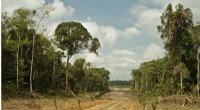
Trees:
* Mexican Fan Palm (Washingtonia robusta): This iconic palm graces many Mexican landscapes, known for its tall, slender trunk and large, fan-shaped leaves.
* Palo Santo (Bursera graveolens): This fragrant tree is a staple in traditional medicine and rituals. Its wood emits a distinct, sweet aroma when burned.
* Ceiba (Ceiba pentandra): This towering tree is a symbol of resilience and strength. Its massive trunk and spreading branches often serve as a gathering place in villages.
* Mesquite (Prosopis spp.): These drought-tolerant trees are vital to the ecosystem, providing shade, food, and fuel.
* Agave (Agave spp.): While often considered a plant, agaves can grow quite large and resemble trees. They are vital to Mexican culture, used in tequila production and for fiber.
* Ocote Pine (Pinus oocarpa): This pine species provides valuable timber and resin, and its wood is used in the traditional craft of burning incense.
* Cypress (Cupressus lusitanica): This majestic tree is often seen gracing gardens and parks, known for its graceful, conical shape and evergreen foliage.
* Jacaranda (Jacaranda mimosifolia): This flowering tree transforms Mexican streets into a vibrant purple spectacle during its blooming season.
Flowers:
* Dahlia (Dahlia spp.): Native to Mexico, dahlias are prized for their vibrant colors and intricate flower shapes. They are a symbol of Mexico and its rich floral heritage.
* Cempasúchil (Tagetes erecta): This bright orange flower is a central part of Day of the Dead celebrations, believed to guide the spirits of the departed.
* Poinsettia (Euphorbia pulcherrima): While often associated with Christmas, poinsettia is actually native to Mexico. It’s known for its vibrant red bracts (modified leaves) that resemble petals.
* Hibiscus (Hibiscus spp.): Hibiscus flowers come in a wide array of colors and are commonly seen in gardens and parks throughout Mexico.
* Frangipani (Plumeria spp.): This tropical flower is known for its exquisite fragrance and is often used in traditional garlands and leis.
* Morning Glory (Ipomoea spp.): These delicate flowers bloom in various shades and are a common sight in gardens and along roadsides.
* Orchids (Orchidaceae): Mexico is home to a diverse array of orchids, ranging from the showy Cattleya orchids to the miniature Pleurothallids.
Plants:
* Cactus (Cactaceae): Mexico is a global hotspot for cacti, with countless species, shapes, and sizes. From the towering saguaro to the spiny prickly pear, cacti are a defining element of the Mexican landscape.
* Aloe Vera (Aloe vera): This succulent plant has been used for centuries in traditional medicine and skincare for its healing properties.
* Maguey (Agave spp.): Maguey is a versatile plant used for fiber, alcohol production, and even as a food source.
* Vanilla Orchid (Vanilla planifolia): This climbing orchid is the source of the popular vanilla flavoring.
* Jicama (Pachyrhizus erosus): This edible root is a staple in Mexican cuisine and is known for its crunchy texture and sweet flavor.
Important Note: This is just a small sampling of the vast plant life found in Mexico. The specific species you encounter will vary depending on the region and its unique climate and habitat.