* Root wedging: Plant roots, especially those of trees, can grow into cracks and fissures in rocks. As the roots grow larger, they exert pressure on the rock, widening the cracks and eventually causing the rock to break apart.
* Chemical weathering: Plants release acids into the soil as part of their normal metabolic processes. These acids can react with certain minerals in rocks, weakening them and making them more susceptible to erosion.
* Biological weathering: The decomposition of plant matter (leaves, roots, etc.) produces organic acids that can also contribute to chemical weathering of rocks.
* Soil development: Plants play a key role in the development of soil, which is the foundation for the weathering process. As plants decompose and release nutrients, they create a rich environment for microorganisms that further break down rocks.
It's important to note:
* This process is slow and takes a very long time, often over hundreds or thousands of years.
* The type of rock and the environment are also major factors in how easily it is weathered.
* Plants are just one part of a complex process that involves factors like water, temperature, and other organisms.
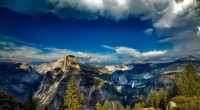
So, while plants don't break rocks directly, they are a key component in the long-term weathering process that shapes our landscape.