The natural environment refers to all living and non-living things occurring naturally on Earth, including:
* Living organisms: Plants, animals, fungi, bacteria, and other microorganisms.
* Non-living components: Air, water, soil, rocks, sunlight, and climate.
* Ecosystems: Interconnected communities of living organisms and their physical surroundings, such as forests, oceans, deserts, and grasslands.
It encompasses the physical, chemical, and biological conditions that exist in a particular area and includes:
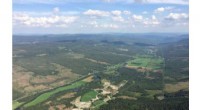
* Landforms: Mountains, valleys, rivers, lakes, and oceans.
* Climate: Temperature, precipitation, humidity, and wind patterns.
* Natural resources: Minerals, water, air, and land.
* Processes: Natural cycles such as the water cycle, the carbon cycle, and the nitrogen cycle.
Importantly, the natural environment excludes:
* Human-made structures and modifications: Buildings, roads, and other human interventions.
* Artificial environments: Parks, gardens, and other controlled ecosystems.
In essence, the natural environment is the original, unaltered state of the Earth, before human influence became significant. It is a complex and interconnected system that provides us with essential resources and supports life.
Here are some additional nuances to consider:
* The term "natural" is not always absolute, as humans have inevitably impacted many parts of the planet.
* It's essential to acknowledge the diversity of natural environments across the globe, each with unique characteristics and ecological significance.
* The concept of "natural environment" is often used in contrast to "built environment" or "human environment," highlighting the distinction between human-created and naturally occurring systems.