Positive Roles:
* Conservation and Restoration: Humans can actively protect and restore ecosystems through efforts like:
* Establishing protected areas like national parks and reserves
* Reforestation and habitat restoration projects
* Species conservation programs
* Resource Management: Sustainable practices can help manage resources like water, timber, and fisheries while ensuring long-term ecosystem health.
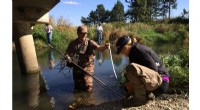
* Scientific Research: Humans conduct research to understand ecosystem processes and develop solutions for environmental challenges.
* Education and Awareness: Raising awareness about environmental issues can inspire action and change behavior.
Negative Roles:
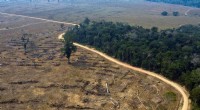
* Habitat Destruction and Fragmentation: Human activities like deforestation, urbanization, and agriculture destroy and fragment habitats, leading to biodiversity loss and ecosystem degradation.
* Pollution: Air, water, and soil pollution from industrial activities, transportation, and agriculture negatively impact ecosystems and threaten species.
* Climate Change: Greenhouse gas emissions from human activities are driving climate change, leading to altered weather patterns, rising sea levels, and changes in ecosystem function.
* Overexploitation: Overfishing, overhunting, and unsustainable resource extraction can deplete populations and disrupt ecosystem balance.
* Introduction of Invasive Species: Human activities can accidentally or intentionally introduce non-native species that disrupt ecosystems and cause ecological damage.
The Key Issue:
The challenge is to balance human needs with the preservation and well-being of ecosystems. Humans rely on ecosystems for essential services like clean air and water, food production, and climate regulation. However, unsustainable practices threaten these services and the very foundation of our existence.
Moving Forward:
To ensure a sustainable future, humans must:
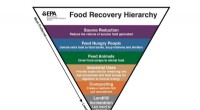
* Embrace sustainable practices: Adopt eco-friendly technologies, reduce consumption, and prioritize resource conservation.
* Promote responsible development: Plan for growth that minimizes environmental impact and protects natural areas.
* Invest in research and innovation: Develop solutions to environmental challenges and find ways to live in harmony with nature.
* Foster environmental awareness and education: Educate the public about the importance of ecosystems and empower them to become stewards of the environment.
Ultimately, humans have a moral obligation to protect and preserve the ecosystems that support life on Earth. By recognizing our interconnectedness with nature and acting responsibly, we can create a more sustainable and harmonious future for all.