Here's a breakdown of the components:
1. Natural Environment:
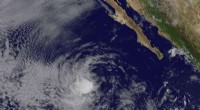
* Physical Features: This includes landforms (mountains, plains, valleys), water bodies (oceans, rivers, lakes), climate, vegetation, soils, and minerals.
* Ecological Systems: It encompasses ecosystems like forests, grasslands, deserts, and wetlands, their interactions, and the organisms within them.
* Natural Processes: It refers to the dynamic processes shaping the environment, such as erosion, weathering, plate tectonics, and climate change.
2. Human Environment:
* Human Impact: This includes the ways humans modify the environment, for example, through agriculture, urbanization, industrialization, and resource extraction.
* Cultural Landscape: It encompasses the human imprint on the landscape, such as settlements, infrastructure, and cultural practices.
* Human-Environment Interactions: It examines the complex relationships between human societies and their surroundings, exploring how they influence and adapt to each other.
In short, "environment" in geography refers to the totality of physical, biological, and cultural elements that interact and influence each other within a specific area.
Here are some key concepts related to environment in geography:
* Environmental Geography: This branch of geography focuses on the interactions between human societies and their natural environment.
* Sustainable Development: This concept aims to balance economic growth with environmental protection and social equity.
* Environmental Issues: This includes pollution, deforestation, climate change, resource depletion, and biodiversity loss.
Understanding the environment in geography helps us to appreciate the intricate connections within the world around us and to better address the challenges of living sustainably on our planet.