Here's why:
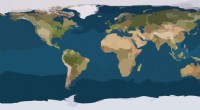
* Natural Science Aspects: Geography deals with the physical environment, including:
* Landforms (mountains, rivers, deserts)
* Climate (temperature, precipitation, weather patterns)
* Vegetation and animal life
* Natural resources (water, minerals, energy)
* Earth's processes (plate tectonics, erosion, weathering)
* The interaction between these elements.
* Social Science Aspects: Geography also explores how humans interact with their environment, including:
* Population distribution and density
* Cultural landscapes (cities, farms, transportation)
* Economic activities (agriculture, industry, trade)
* Political systems and boundaries
* Social issues (poverty, migration, inequality)
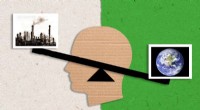
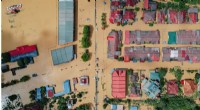
* The impact of human actions on the environment (pollution, deforestation, climate change)
Essentially, geography uses the methods and perspectives of both natural and social sciences to understand the complex relationship between people and the Earth. It is considered a bridge between these two fields.