Common Terrain Features:
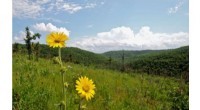
* Rolling hills: Many deciduous forests are located in areas with rolling hills, providing a diverse landscape with varying elevations.
* Valleys: These depressions in the terrain often contain streams, rivers, or wetlands, contributing to the forest's biodiversity.
* Ridges: Elevated areas in the landscape, often formed by geological processes, create different microclimates and influence tree distribution.
* Slopes: The angle and direction of slopes play a role in drainage, sunlight exposure, and the types of plants that can thrive.
* Streams and rivers: These water bodies provide vital resources for the forest ecosystem and shape the surrounding terrain.
* Wetlands: Areas with standing water, such as bogs, marshes, and swamps, are often found in deciduous forests, creating unique habitats.
Other Potential Features:
* Rocky outcrops: Some deciduous forests may have exposed bedrock, adding to the landscape's diversity.
* Caves and sinkholes: These geological formations can be found in areas with soluble bedrock, providing unique habitats.
* Sand dunes: In coastal areas, deciduous forests may be influenced by sand dunes, adding a dynamic element to the terrain.
Terrain Influences:
* Tree Distribution: The terrain influences the types of trees that grow in a deciduous forest. For example, slopes with good drainage may support oak and hickory trees, while low-lying areas might favor maple and elm.
* Wildlife Habitat: Different terrain features create diverse habitats for a wide range of wildlife.
* Soil Composition: The underlying geology and terrain influence soil type, which in turn affects plant growth.
Overall, the terrain in a deciduous forest is varied and dynamic, contributing to the complex and diverse ecosystem that thrives within it. The specific features of a given forest depend heavily on its location, geological history, and the broader landscape context.