Local Impacts:
* Land Use Change:
* Agriculture: Clearing forests for farmland has fragmented habitats, reduced biodiversity, and altered nutrient cycles. Intensive agriculture leads to soil degradation, water pollution, and greenhouse gas emissions.
* Urbanization: Expanding cities consume natural areas, increase pollution, and alter microclimates.
* Deforestation: Cutting down forests for timber, agriculture, and development disrupts ecosystems, reduces biodiversity, and contributes to climate change.
* Pollution:
* Air Pollution: Industrial emissions, vehicle exhaust, and burning fossil fuels release pollutants that harm human health and damage ecosystems.
* Water Pollution: Industrial and agricultural runoff, sewage discharge, and plastic waste contaminate water bodies, harming aquatic life and human health.
* Noise Pollution: Excessive noise from human activities can disrupt wildlife behavior, reduce biodiversity, and negatively impact human health.
* Introduced Species:
* Invasive Species: Accidental or intentional introductions of non-native species can disrupt ecosystems, outcompete native species, and lead to extinctions.
* Domesticated Animals: Grazing livestock can degrade vegetation and alter habitats, while pet introductions can impact native ecosystems.
* Resource Extraction:
* Mining: Open-pit mining can destroy habitats, create erosion, and contaminate water sources.
* Fishing: Overfishing can deplete fish stocks, disrupt food webs, and impact marine ecosystems.
Global Impacts:
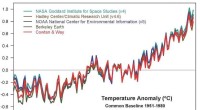
* Climate Change: Burning fossil fuels, deforestation, and other human activities release greenhouse gases that trap heat in the atmosphere, leading to rising temperatures, sea level rise, and extreme weather events.
* Biodiversity Loss: Habitat destruction, pollution, invasive species, and climate change are driving species extinctions at an alarming rate, leading to ecosystem instability and reduced ecosystem services.
* Ocean Acidification: The absorption of carbon dioxide from the atmosphere into the ocean is making it more acidic, threatening marine life and coral reefs.
* Ozone Depletion: Chemicals released by human activities have depleted the ozone layer, which protects life on Earth from harmful ultraviolet radiation.
Positive Impacts:
* Conservation Efforts: Many organizations and individuals are working to protect and restore ecosystems, conserve biodiversity, and mitigate climate change.
* Sustainable Practices: Shifting towards sustainable agriculture, renewable energy, and responsible consumption can help reduce human impacts on the environment.
* Ecological Restoration: Projects to restore degraded ecosystems, such as reforestation and wetland restoration, can help repair damage and enhance biodiversity.
In Conclusion:
Human activities have a profound impact on local and global ecology. While we have caused significant damage, there is hope for a more sustainable future through conservation, restoration, and a shift towards environmentally friendly practices. Understanding these impacts and taking responsibility for our actions is crucial for protecting the planet and ensuring a healthy future for ourselves and future generations.