Fruits and Vegetables:
* Date Palm (Phoenix dactylifera): The male palm produces pollen, while the female palm produces dates.
* Kiwi (Actinidia deliciosa): Requires male and female plants for fruit production.
* Ginkgo (Ginkgo biloba): Male trees are commonly planted due to the unpleasant odor of female fruit.
* Holly (Ilex spp.): Male plants produce pollen, and female plants produce the red berries.
Ornamental Plants:
* Boxwood (Buxus spp.): A popular hedge plant with distinct male and female forms.
* Yew (Taxus spp.): Male trees are typically more compact, while female trees bear red berries.
* Willow (Salix spp.): Male and female willow trees have distinct flowering structures.
* Asparagus (Asparagus officinalis): While grown for its edible shoots, asparagus is dioecious.
Other Examples:
* Cannabis (Cannabis sativa): Male plants produce pollen, while female plants produce the flowers used for marijuana.
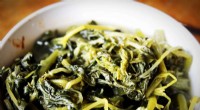
* Spinach (Spinacia oleracea): Dioecious, but the spinach we eat is primarily from female plants.
* Poplar (Populus spp.): Male and female poplar trees have distinct leaf shapes and colors.
* Sarsaparilla (Smilax spp.): Dioecious, and the roots of certain species are used in traditional medicine.
Important Note: While dioecious plants require separate male and female plants for reproduction, some species can be self-fertile or exhibit partial self-fertility. This means they can produce fruit or seeds without cross-pollination, but their yields may be lower.
If you are interested in growing dioecious plants, it is important to know the gender of the plants before purchasing them. This will help you ensure that you have both male and female plants if you are looking for fruit or seed production.