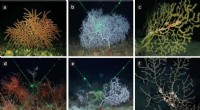
* Biodiversity: Refers to the variety of life on Earth, encompassing all living organisms and their ecosystems. It includes species diversity, genetic diversity, and ecosystem diversity.
* Monitor: This implies continuous observation, measurement, and analysis to assess how biodiversity is changing over time.
What does a biodiversity monitor do?
* Collect data: They might use methods like:
* Species surveys: Identifying and counting different species in an area.
* Habitat monitoring: Assessing the condition and changes in natural habitats.
* Genetic analysis: Examining genetic variation within populations.
* Remote sensing: Using aerial or satellite imagery to track changes in vegetation cover and land use.
* Analyze data: They analyze the collected data to understand trends, patterns, and potential threats to biodiversity.
* Report findings: They present their findings to stakeholders, including scientists, conservationists, policymakers, and the public.
* Inform management: They provide information to help guide conservation efforts, land management decisions, and policy development.
Examples of biodiversity monitoring:
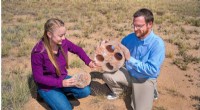
* Citizen science projects: Volunteers collect data on specific species or habitats.
* Long-term ecological monitoring programs: Continuous monitoring of key ecosystems over decades.
* Protected area management: Monitoring biodiversity within protected areas to track effectiveness of conservation efforts.
* Environmental impact assessments: Evaluating the potential impacts of development projects on biodiversity.
Why is biodiversity monitoring important?
* Understanding changes: It allows us to understand how biodiversity is changing and identify the causes of these changes.
* Protecting ecosystems: This information is crucial for making informed decisions about conservation, land use, and management.
* Ensuring sustainability: Biodiversity monitoring helps to assess the sustainability of human activities and ensure that they do not jeopardize the health of ecosystems.
* Promoting awareness: Monitoring can raise awareness about the importance of biodiversity and the threats it faces.