1. Habitat Loss and Fragmentation:
* Destruction: Direct removal of habitats (e.g., deforestation, urbanization) leaves species with nowhere to live.
* Fragmentation: Breaking large habitats into smaller, isolated patches reduces overall habitat area and isolates populations, leading to reduced genetic diversity and increased vulnerability to extinction.
2. Climate Change:
* Temperature and precipitation changes: Species may be unable to adapt to changes in their ideal climate, leading to range shifts, population declines, and even extinction.
* Extreme weather events: Floods, droughts, and storms can decimate populations and disrupt ecological balance.
3. Invasive Species:
* Competition: Invasive species may outcompete native species for resources like food, water, and shelter.
* Predation: Invasive predators can decimate native prey populations.
* Disease transmission: Invasive species can introduce new diseases to native populations.
4. Pollution:
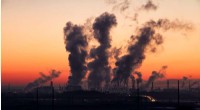
* Air pollution: Can negatively impact plant growth and animal health, leading to declines in populations.
* Water pollution: Can contaminate water sources and poison aquatic organisms, reducing biodiversity.
* Soil contamination: Can harm plants and soil organisms, disrupting food webs and nutrient cycling.
5. Overexploitation:
* Overfishing: Unsustainable fishing practices can deplete fish stocks, impacting entire ecosystems.
* Overhunting: Excessive hunting or poaching can lead to the decline or extinction of vulnerable species.
* Overharvesting: Collecting or removing resources like plants and animals at unsustainable rates can disrupt ecological balance.
6. Disease:
* Emerging infectious diseases: New diseases can quickly spread and devastate populations, particularly in areas with reduced genetic diversity.
* Disease spread by invasive species: Invasive species can act as vectors for diseases, spreading them to native populations.
7. Genetic factors:
* Inbreeding: Small, isolated populations are prone to inbreeding, which can reduce genetic diversity and make species more susceptible to diseases and environmental stress.
* Bottleneck effect: Dramatic population declines can lead to a loss of genetic diversity, making the surviving population more vulnerable.
It's important to remember that these processes often work in combination, making it challenging to isolate the exact cause of biodiversity loss. However, understanding these key factors is crucial for developing conservation strategies to protect species and ecosystems.