Location ecosystems are shaped by a complex interplay of physical and cultural geographic factors. Here's a breakdown of the key influences:
Physical Geography:
* Climate: Temperature, precipitation, humidity, and seasonal variation strongly influence plant and animal life. This includes factors like:
* Latitude: Affects solar radiation and temperature, influencing biome types.
* Altitude: Impacts temperature and precipitation due to changes in air pressure and cloud formation.
* Ocean currents: Influence temperature and rainfall patterns.
* Topography: Landforms like mountains, valleys, and plains create diverse microclimates and influence drainage patterns, impacting plant and animal distribution.
* Soil: Soil composition, pH, and nutrient content affect plant growth, influencing the entire food web.
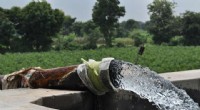
* Water: The availability and quality of freshwater sources, like rivers, lakes, and groundwater, are essential for life and impact ecosystems.
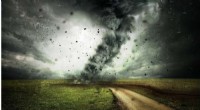
* Natural Disasters: Events like wildfires, floods, and volcanic eruptions can reshape landscapes and cause dramatic shifts in ecosystems.
Cultural Geography:
* Human Population: Density and distribution of human populations influence land use, resource extraction, and habitat modification.
* Land Use: Agriculture, forestry, urbanization, and infrastructure development alter natural ecosystems, creating new landscapes and impacting biodiversity.
* Pollution: Air, water, and soil pollution from industrial activities, agriculture, and waste disposal can degrade ecosystems and impact biodiversity.
* Resource Extraction: Mining, logging, and fishing practices can significantly alter ecosystems, impacting populations and creating new habitats.
* Climate Change: Human-induced climate change is causing warming temperatures, altered precipitation patterns, and sea-level rise, leading to significant changes in ecosystems worldwide.
Interplay and Interdependence:
It's crucial to understand that these factors are not independent but interact in complex ways. For example, human land use practices can alter soil conditions, leading to changes in plant communities that ultimately affect animal populations. Similarly, climate change can cause shifts in precipitation patterns, leading to drought or flooding, which impact both physical and cultural landscapes.
Examples:
* Tropical rainforests: Located near the equator with high rainfall and temperatures, they support vast biodiversity due to their unique climate and abundant resources. Human deforestation and climate change threaten their existence.
* Deserts: Characterized by low rainfall and extreme temperatures, deserts host unique adaptations in plants and animals. Human overuse of water resources and climate change threaten their fragile ecosystems.
* Coral reefs: Dependent on clear, warm waters, coral reefs are highly sensitive to pollution, ocean acidification, and temperature changes caused by human activities.
Understanding the interplay of physical and cultural geography factors is crucial for predicting and managing environmental change, promoting sustainable development, and preserving biodiversity for future generations.