Physical Health and Well-being:
* Air Quality: Pollution from industrial emissions, vehicle exhaust, and wildfires can cause respiratory problems, heart disease, and other health issues.
* Water Quality: Contaminated water sources can lead to waterborne diseases, while water scarcity can affect hydration and hygiene.
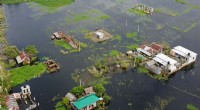
* Climate Change: Extreme weather events like heatwaves, floods, and droughts can directly harm human health and cause displacement.
* Food Security: Climate change and environmental degradation can affect agricultural yields, leading to food insecurity and malnutrition.
* Biodiversity: Loss of biodiversity can affect food sources, disease regulation, and ecosystem services like pollination and water purification.
Social and Economic Impacts:
* Migration: Environmental changes like desertification and sea-level rise can force people to migrate, leading to social and economic disruptions.
* Resource Scarcity: Depletion of natural resources like water and fertile land can lead to conflict and economic instability.
* Infrastructure: Environmental disasters can damage infrastructure, disrupting transportation, communication, and access to essential services.
* Tourism: Environmental factors like climate change and pollution can negatively impact tourism industries, affecting local economies.
* Social Equity: Environmental hazards often disproportionately affect vulnerable populations, exacerbating existing inequalities.
Psychological Well-being:
* Mental Health: Exposure to environmental stressors like noise pollution, air pollution, and climate change can contribute to anxiety, depression, and stress.
* Nature Connection: Access to nature has been shown to have positive effects on mental health, reducing stress and improving cognitive function.
Cultural and Spiritual Impacts:
* Cultural Heritage: Environmental changes can threaten cultural heritage sites and traditional practices, leading to loss of identity and connection to place.
* Indigenous Knowledge: Environmental degradation can disrupt traditional knowledge systems and ecological practices held by indigenous communities.
* Spiritual Beliefs: Many cultures and religions hold deep spiritual connections to nature, which are impacted by environmental changes.
Positive Impacts:
While the focus is often on negative impacts, a healthy environment also brings positive benefits:
* Clean Air and Water: Provides for better health and quality of life.
* Biodiversity: Supports a wide range of ecosystems and provides numerous benefits like food, medicine, and pollination.
* Climate Regulation: Helps mitigate climate change and its impacts.
* Recreational Opportunities: Offers opportunities for recreation, relaxation, and connection with nature.
Conclusion:
The environment plays a crucial role in shaping human lives. Protecting and preserving our environment is essential for our health, well-being, and future prosperity. Understanding the interconnectedness between humans and the environment is crucial for developing sustainable solutions that address both environmental and societal challenges.