* Lack of vascular tissue: They lack the specialized tissues (xylem and phloem) that vascular plants use to transport water and nutrients. This means they rely on diffusion and osmosis for these processes, which are less efficient.
* Dependence on water for reproduction: Nonvascular plants need water for their sperm to swim to the egg during fertilization.
* Limited height: Without vascular tissue, they cannot grow tall, making them more vulnerable to desiccation (drying out) in sunny, exposed locations.
Specific examples of suitable habitats include:
* Forests: The shady understory of forests provides the necessary moisture and protection from direct sunlight.
* Bogs and swamps: These waterlogged environments offer constant moisture.
* Streambanks: The damp conditions near streams are ideal.
* Rocks and tree trunks: Nonvascular plants can grow in moist crevices and on the shaded sides of trees.
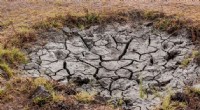
However, it's important to note that some nonvascular plants can tolerate drier conditions, such as those found in deserts or on exposed rocks. These species have adaptations, like thick cuticles or dormant spores, to help them survive.