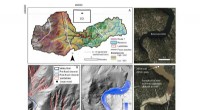
1. Geomorphology: This refers to the physical features of the land, including:
* Topography: The shape and elevation of the land, such as mountains, hills, valleys, plains, and plateaus.
* Geology: The types of rocks and soil that make up the land, influencing its structure and composition.
* Water features: Rivers, lakes, oceans, and other water bodies that shape the land.
2. Biotic Components: This refers to the living organisms that inhabit the landscape, including:
* Flora: The plant life, such as trees, shrubs, grasses, and flowers.
* Fauna: The animal life, such as mammals, birds, insects, and reptiles.
* Microorganisms: Bacteria, fungi, and other microscopic organisms that play a crucial role in the ecosystem.
3. Human Influence: This refers to the impact of human activities on the landscape, including:
* Land use: How the land is used, such as for agriculture, urban development, or recreation.
* Infrastructure: Roads, bridges, buildings, and other structures that alter the landscape.
* Pollution: Air, water, and soil pollution that can have negative effects on the environment.
It's important to note that these three components are interconnected and constantly interact with each other. For example, the type of vegetation in a region is influenced by the climate and soil, while human activities can impact both the geomorphology and biotic components of a landscape.