1. Microhabitats: Even within a seemingly uniform environment, microhabitats can create distinct ecosystems. For example, think about a forest:
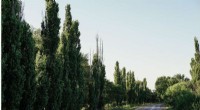
* Tree Canopies: The upper branches of trees create a miniature ecosystem with specialized plants, insects, and birds adapted to living high above the ground.
* Forest Floor: The decaying leaves and soil beneath the trees create a different ecosystem with decomposers, fungi, and small mammals thriving in this damp, nutrient-rich environment.
2. Symbiosis: Relationships between different species can also create smaller ecosystems. Consider:
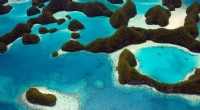
* Coral Reefs: Coral polyps and symbiotic algae (zooxanthellae) form a mutualistic partnership. The coral provides shelter, while the algae provide food through photosynthesis, creating a unique environment that supports a wide variety of other life.
* Lichens: These organisms are a partnership between fungi and algae. The fungi provide structure and protection, while the algae provide food through photosynthesis. This partnership creates a distinct ecosystem that can colonize even harsh environments.
3. Succession: As an ecosystem develops, it undergoes changes called succession. Each stage of succession can be considered a smaller ecosystem within the larger one.
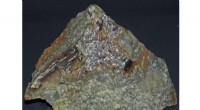
* Pioneer Species: The first species to colonize an area, like lichens on bare rock, create a simple ecosystem that paves the way for other species.
* Climax Community: The final stage of succession, like a mature forest, represents a complex and relatively stable ecosystem.
4. Human Impact: Humans can create new ecosystems within existing ones.
* Agriculture: Farmlands are an example of a human-created ecosystem, often with simplified biodiversity compared to the natural ecosystem it replaced.
* Urban Environments: Cities are complex ecosystems, supporting a diverse range of life adapted to the built environment.
In summary: Ecosystems are not static, they are dynamic and interconnected. Understanding how smaller ecosystems are nested within larger ones helps us appreciate the complexity and beauty of the natural world.