Natural ecosystems are complex and interconnected systems that are constantly evolving. They are characterized by several key features:
1. Biodiversity:
* High Species Richness: A wide variety of different species of plants, animals, fungi, bacteria, and other organisms.
* Complex Trophic Structure: Multiple levels of food chains and food webs with intricate relationships between producers, consumers, and decomposers.
* Species Interactions: Diverse interactions between species, including competition, predation, parasitism, mutualism, and commensalism.
2. Self-Regulation:
* Homeostasis: Ability to maintain relatively stable conditions despite external disturbances.
* Feedback Mechanisms: Natural processes that regulate the ecosystem and help it maintain balance.
* Resilience: Capacity to recover from disturbances and maintain its fundamental structure and function.
3. Dependence on Non-Living Factors:
* Abiotic Factors: Physical and chemical factors like temperature, sunlight, water, soil, and nutrients that influence the ecosystem's functioning.
* Energy Flow: Continuous flow of energy through the ecosystem, usually starting with sunlight.
* Nutrient Cycling: Cycling of essential elements (e.g., carbon, nitrogen, phosphorus) within the ecosystem.
4. Dynamic and Changing:
* Succession: Gradual process of change in the species composition and structure of an ecosystem over time.
* Disturbances: Events that alter the ecosystem, such as fires, floods, or storms, can create opportunities for change and renewal.
* Adaptation: Species evolve and adapt to changing conditions, contributing to the ecosystem's ongoing transformation.
5. Human Impact:
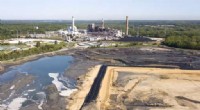
* Anthropogenic Disturbances: Human activities can have significant impacts on natural ecosystems, leading to habitat loss, pollution, climate change, and invasive species.
* Conservation Efforts: Efforts to protect and manage natural ecosystems are crucial for maintaining biodiversity and ecosystem services.
Examples:
* Tropical Rainforest: High biodiversity, complex trophic structures, and rapid nutrient cycling.
* Coral Reefs: Diverse marine life, dependent on specific temperature and water quality, vulnerable to climate change.
* Temperate Forests: Seasonal changes in temperature and precipitation, supporting a range of trees and animals.
* Savannas: Grassy plains with scattered trees, adapted to dry periods and fires.
Understanding the characteristics of natural ecosystems is crucial for appreciating their complexity, value, and the importance of conservation efforts.