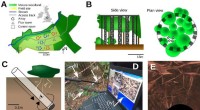
Ecosystem fragmentation occurs when large, continuous habitats are broken down into smaller, isolated patches. This process often results from human activities such as:
* Land-use changes: Deforestation, agriculture, urban sprawl, and infrastructure development all contribute to habitat fragmentation.
* Construction of barriers: Roads, fences, and other barriers can physically isolate populations within an ecosystem.
Consequences of Fragmentation:
Ecosystem fragmentation has significant negative consequences for biodiversity:
* Loss of habitat: Smaller patches of habitat can support fewer species and individuals, leading to habitat loss.
* Isolation of populations: Fragmentation isolates populations, reducing gene flow and increasing the risk of inbreeding.
* Edge effects: The edges of fragmented habitats experience different environmental conditions, leading to changes in microclimate, species composition, and vulnerability to invasive species.
* Increased risk of extinction: Isolated populations are more susceptible to random events like disease outbreaks, fires, or extreme weather, increasing their risk of extinction.
Impacts on Ecosystem Function:
Fragmentation not only affects biodiversity but also impacts ecosystem function:
* Reduced species richness and abundance: The loss of species leads to a decrease in diversity and the ecosystem's overall resilience.
* Altered trophic interactions: Food webs become disrupted as species disappear or their populations decline.
* Decreased nutrient cycling: Reduced biodiversity and habitat connectivity can hinder essential processes like nutrient cycling.
Solutions to Fragmentation:
Addressing fragmentation requires a multi-pronged approach:
* Habitat restoration and reforestation: Restoring degraded habitats and connecting fragmented areas can help mitigate the impacts of fragmentation.
* Wildlife corridors: Creating corridors allows for movement between isolated habitats, facilitating gene flow and reducing the risk of extinction.
* Sustainable land management: Adopting sustainable practices in land use, agriculture, and urban planning can minimize further fragmentation.
* Protected areas: Establishing and effectively managing protected areas helps preserve biodiversity and prevent further fragmentation.
By understanding the consequences of ecosystem fragmentation and implementing appropriate solutions, we can work towards conserving biodiversity and maintaining the integrity of our ecosystems.