1. Sunflowers in a Field:
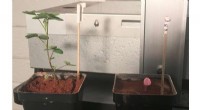
* Competition: Sunflowers are known for their tall stalks and large leaves. They compete for sunlight, water, and nutrients from the soil.
* How it manifests: In a field with dense sunflower growth, the taller plants will shade out the shorter ones, limiting their access to sunlight. This can lead to weaker growth, fewer flowers, and even death for the less competitive plants.
* Outcome: The sunflowers that are most successful in competing for resources will thrive, while others may struggle or fail to reach maturity.
2. Trees in a Rainforest:
* Competition: Rainforests are densely populated with trees of various heights and sizes. Competition is fierce for light, water, and minerals.
* How it manifests: Taller trees have a distinct advantage, blocking sunlight from reaching the forest floor. This makes it difficult for seedlings and smaller trees to survive. Trees may also compete by sending out extensive root systems to reach water and nutrients, potentially depleting the soil for other plants.
* Outcome: The tallest trees typically dominate the rainforest canopy, while smaller trees and understory plants must adapt to thrive in the shade. This creates a layered structure within the rainforest, with different species occupying different niches.
These are just two examples, and plant competition can take many forms. Understanding these dynamics is crucial for understanding how plant communities evolve and adapt over time.