Here are some examples:
Geographical:
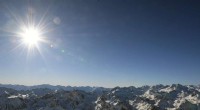
* Mountains: Tall mountain ranges can act as barriers to human migration, trade routes, and even weather patterns.
* Oceans: Large bodies of water like oceans can be significant barriers to travel, especially before the development of advanced ships.
* Deserts: Vast, arid deserts can be difficult to cross due to lack of resources and harsh conditions.
* Rivers: Wide rivers can be challenging to navigate, and serve as natural borders between regions.
* Jungles: Dense rainforests can be impenetrable to humans and limit the spread of certain animals or plants.
* Canyons: Deep canyons can be difficult to cross and may isolate populations on either side.
Biological:
* Disease: Certain diseases can act as a barrier to the spread of people or animals, particularly when a population has no immunity.
* Predator-prey relationships: Predators and prey can be naturally separated by physical barriers, contributing to biodiversity.
* Plant life: Dense vegetation can act as a barrier to movement and visibility.
In addition to physical barriers, natural barriers can also be:
* Climate: Extreme temperatures, rainfall, or other weather conditions can limit movement and interaction.
* Biodiversity: Different ecosystems and species can be naturally separated by geographic or environmental barriers.
Overall, natural barriers play a vital role in shaping the world around us, influencing everything from human settlement and trade to the distribution of plant and animal life.