Major Landform Categories:
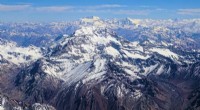
* Mountains: Elevated landforms with steep slopes and a high elevation.
* Fold Mountains: Formed by the compression of tectonic plates. (e.g., Himalayas, Alps)
* Block Mountains: Created by the faulting of the Earth's crust. (e.g., Sierra Nevada, Teton Range)
* Volcanic Mountains: Formed by volcanic eruptions. (e.g., Mount Fuji, Mount Vesuvius)
* Plateaus: Flat, elevated areas of land. (e.g., Tibetan Plateau, Colorado Plateau)
* Plains: Large, flat areas of land. (e.g., Great Plains, Amazon Basin)
* Valleys: Depressions in the Earth's surface. (e.g., Grand Canyon, Death Valley)
* Canyons: Deep, narrow valleys formed by erosion. (e.g., Grand Canyon, Bryce Canyon)
* Deserts: Areas with little to no precipitation. (e.g., Sahara Desert, Atacama Desert)
* Islands: Landmasses surrounded by water.
* Continental Islands: Formed by geological processes that separated them from a continent. (e.g., Madagascar, Greenland)
* Oceanic Islands: Formed by volcanic activity or coral reefs. (e.g., Hawaii, Maldives)
* Peninsulas: Landmasses that extend into a body of water. (e.g., Iberian Peninsula, Florida Peninsula)
* Isthmuses: Narrow strips of land that connect larger landmasses. (e.g., Isthmus of Panama, Isthmus of Suez)
Other Notable Landforms:
* Glaciers: Large masses of ice that move slowly over land. (e.g., Antarctic Ice Sheet, Greenland Ice Sheet)
* Rivers: Channels of water that flow through the land. (e.g., Nile River, Amazon River)
* Lakes: Bodies of water surrounded by land. (e.g., Lake Superior, Lake Baikal)
* Oceans: Vast bodies of saltwater that cover most of the Earth's surface.
* Coastal Areas: Land adjacent to an ocean or sea.
Factors Influencing Landform Formation:
* Tectonic Plate Movement: The movement of tectonic plates causes earthquakes, volcanoes, and mountain building.
* Erosion: The process of wearing away and transporting rock and soil.
* Weathering: The breakdown of rocks and minerals by physical and chemical processes.
* Deposition: The process of adding sediment to a landform.
* Climate: Climate influences the rate and type of weathering and erosion.
This is a general overview, and there are many more specific and unique landforms around the world. To learn more, you can research specific landform types, geographic regions, or geological processes.