Lichens: These hardy organisms are a combination of fungi and algae. They can survive on bare rock, breaking it down and creating soil for other plants.
Mosses: These small, non-vascular plants also thrive in harsh conditions, often growing on rocks and decaying wood. They contribute to soil formation and provide a habitat for insects.
Bacteria and Fungi: These microorganisms play a crucial role in breaking down dead organic matter, releasing nutrients and making them available for other plants.
Grasses: These adaptable plants can quickly colonize disturbed areas, stabilizing the soil and providing cover for other organisms.
Annual Plants: Short-lived plants that can complete their life cycle quickly, producing many seeds and helping to improve soil quality.
Willow Trees: These fast-growing trees can quickly take root in open areas, providing shade and shelter for other species.
Seagrasses: In aquatic ecosystems, seagrasses are crucial pioneer species, stabilizing sediments, providing food and shelter for marine life, and contributing to the overall health of the ecosystem.
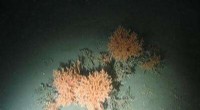
Coral Polyps: On coral reefs, these tiny animals create the foundation for the entire ecosystem. They secrete calcium carbonate skeletons, forming the hard, complex structures that provide habitat for countless other marine organisms.
Examples by habitat:
* Volcanic islands: Lichens and mosses are the first to colonize newly formed volcanic islands, breaking down the volcanic rock and paving the way for other plant life.
* Glacial moraines: As glaciers retreat, they leave behind barren rock and sediment. Lichens, mosses, and hardy grasses are among the first to colonize these areas.
* Sand dunes: Grasses and other wind-resistant plants help to stabilize sand dunes, preventing erosion and creating habitat for other species.
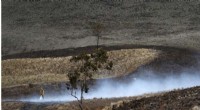
* Disturbed forests: After a wildfire or logging operation, pioneer species like fireweed and aspen trees quickly colonize the area, helping to restore the ecosystem.
It's important to note that pioneer species are not always the same in every ecosystem. The specific species that dominate a particular location will depend on the climate, soil conditions, and other factors.