Characteristics of Woodland Animals:
* Adaptation to wooded environments: They have developed physical features and behaviors that allow them to thrive in forests. For example, some have camouflage to blend in with trees, while others have sharp claws for climbing.
* Dietary diversity: Woodland animals can be herbivores (eating plants), carnivores (eating meat), omnivores (eating both plants and meat), or insectivores (eating insects). Their diet is often influenced by the specific plants and animals present in their woodland habitat.
* Variety of habitats: Woodlands are incredibly diverse, ranging from dense, old-growth forests to open, scrubby woodlands. This variety supports a wide range of woodland creatures.
* Importance to the ecosystem: Woodland animals play vital roles in their ecosystem, from pollinating plants to controlling populations of other animals. They also help to spread seeds and create habitats for other species.
Examples of Woodland Animals:
* Mammals: Deer, squirrels, rabbits, foxes, wolves, bears, raccoons, opossums, beavers, porcupines, badgers, bobcats, mountain lions
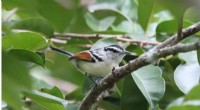
* Birds: Owls, hawks, woodpeckers, chickadees, cardinals, robins, warblers, crows, blue jays, grouse
* Reptiles: Snakes, lizards, turtles
* Amphibians: Frogs, toads, salamanders
* Insects: Butterflies, moths, beetles, ants, spiders, grasshoppers
Threats to Woodland Animals:
* Habitat loss: Deforestation and land development are major threats, as they destroy the homes and food sources of woodland creatures.
* Climate change: Climate change is altering the natural habitats of woodland animals, impacting their ability to find food and shelter.
* Pollution: Air and water pollution can harm wildlife and disrupt the delicate balance of forest ecosystems.
* Invasive species: Introduction of non-native animals can disrupt the food web and displace native species.
Conservation Efforts:
* Protected areas: Establishing national parks and other protected areas can safeguard large tracts of woodland habitats.
* Reforestation: Planting trees helps to restore forests and provide habitat for woodland animals.
* Sustainable forestry: Managing forest resources sustainably ensures the long-term health of the ecosystem.
* Reducing pollution: Minimizing air and water pollution helps to protect woodland animals and their habitats.
Understanding woodland animals and their unique adaptations is crucial for appreciating the rich biodiversity of our planet and for supporting conservation efforts to protect these amazing creatures.