1. Acorns: Large and Heavy: Blackjack oak acorns are significantly larger and heavier than those of other oak species. This makes them difficult for wind to carry, rendering wind dispersal ineffective.
2. Tough Pericarp: The acorn's outer shell, called the pericarp, is hard and tough. This prevents it from being easily crushed by animals, making it unsuitable for dispersal by mammals like squirrels.
3. Short, Stubby Acorns: The shape of the acorn, short and stubby, further reduces its ability to be carried by wind or animals.
4. Gravity Dispersal: Instead of wind or animal dispersal, blackjack oak acorns rely primarily on gravity. The heavy acorns simply fall to the ground beneath the parent tree.
5. Seedling Survival: The heavy acorns provide enough nutrients to support the seedling's early growth. The tough pericarp protects the seed during its descent, ensuring it remains viable.
6. Limited Seedling Competition: By falling directly beneath the parent tree, the acorns face limited competition from other seedlings and can establish themselves in the shade of the parent tree.
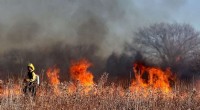
7. Fire Adaptation: Blackjack oak is adapted to survive fire. The acorns can remain dormant in the soil for years until a fire clears the area, allowing the seedlings to establish themselves with less competition.
In conclusion, the blackjack oak's seed is perfectly suited to its method of dispersal. Its large, heavy, and tough acorns are not designed for wind or animal dispersal but instead rely on gravity. This strategy, combined with its fire adaptation, ensures the successful propagation and survival of this unique oak species.