Both savannas and chaparral are characterized by distinct climates and vegetation, which in turn shape their respective biotic communities. Here's a breakdown of the differences:
Savanna:
* Dominant Plants: Grasses are the dominant plant life, with scattered trees and shrubs. These trees are often drought-tolerant and fire-resistant, such as Acacia, Baobab, and certain types of palm trees.
* Animal Life: Savannas boast a wide variety of herbivores, including zebras, giraffes, elephants, wildebeest, and gazelles. Predators like lions, leopards, hyenas, and cheetahs thrive in these grasslands. Additionally, a diverse range of insects, reptiles, and birds contribute to the ecosystem's complexity.
* Adaptations: Animals are adapted to survive in open grasslands, with some developing camouflage for hunting or defense. Large herbivores often migrate seasonally in search of water and food.
Chaparral:
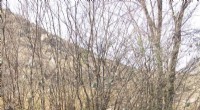
* Dominant Plants: This biome features a diverse array of shrubs, often with tough, leathery leaves. Common plant species include chamise, yucca, and sagebrush. Trees are generally smaller and more sparsely distributed.
* Animal Life: Chaparral ecosystems are home to a variety of small mammals like rabbits, squirrels, and rodents. Larger animals like deer and coyotes are also present. Birds play a crucial role in pollination and seed dispersal.
* Adaptations: Many chaparral plants are adapted to fire, with some even requiring fire for seed germination. Animals are often adapted to arid conditions, with efficient water conservation strategies.
Key Differences:
* Dominant Vegetation: Savannas are dominated by grasses, while chaparral is defined by shrubs and smaller trees.
* Animal Diversity: While both biomes support diverse fauna, savannas tend to have larger and more numerous herbivores and carnivores.
* Fire Adaptations: Fire is an important factor in both biomes, but chaparral plants are more reliant on fire for regeneration.
* Water Availability: Savannas experience seasonal rainfall, while chaparral environments are generally drier and experience more unpredictable rainfall patterns.
Overall: While both biomes share some similarities, they present distinct biotic communities shaped by their unique environmental conditions. The savanna features a vast open landscape with a large array of grazing animals and predators, while the chaparral boasts a dense, shrubby undergrowth inhabited by a diverse range of smaller mammals, reptiles, and birds.