Characteristics of Living Things:
* Organization: Living things are highly organized, with cells as the basic unit of life. They exhibit a hierarchy of structures, from molecules to tissues, organs, and organ systems.
* Metabolism: Living organisms carry out a complex set of chemical reactions to obtain and use energy. This includes breaking down nutrients for fuel, building and repairing structures, and eliminating waste.
* Growth and Development: Living things increase in size and complexity over time. This involves the production of new cells and the organization of existing ones.
* Adaptation: Living organisms can evolve over generations, adapting to changes in their environment to increase their chances of survival and reproduction.
* Homeostasis: Living things maintain a stable internal environment, despite fluctuations in the external environment. This includes regulating temperature, pH, and other vital factors.
* Response to Stimuli: Living organisms can react to changes in their environment. These responses can be simple, like withdrawing from a painful stimulus, or complex, like navigating through a maze.
* Reproduction: Living organisms produce offspring that inherit their characteristics. This ensures the continuation of the species.
Challenges and Limitations:
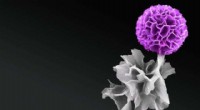
* Viruses: Viruses are a gray area. They have genetic material and can evolve, but they cannot reproduce on their own and require a host cell to replicate.
* Artificial Life: The advancement of artificial intelligence and robotics raises questions about whether these systems could be considered "alive" in the future.
* Defining Consciousness: Defining consciousness is another challenge. While it's often considered a hallmark of living organisms, there's no clear consensus on how to measure it.
In conclusion:
While there's no single, definitive answer, the characteristics mentioned above provide a framework for understanding what makes something alive. The debate continues, and as our knowledge of the universe expands, our understanding of life may continue to evolve.