Mammals:
* Large herbivores: Moose, elk, caribou, deer,
* Small herbivores: Snowshoe hare, red squirrel, chipmunk, voles, mice
* Predators: Wolves, bears (black, brown, grizzly), lynx, bobcat, wolverine, foxes (red, arctic), weasels, martens
* Other: Porcupine, beaver, muskrat, rabbits, squirrels, bats
Birds:
* Birds of prey: Owls (great horned, boreal owl), hawks (goshawk, Cooper's hawk)
* Songbirds: Chickadees, warblers, woodpeckers (downy, hairy), nuthatches, crossbills, grosbeaks, jays
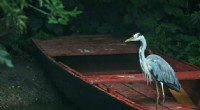
* Waterfowl: Ducks, geese, swans (especially during migration)
* Other: Grouse, ptarmigan, ravens, crows
Reptiles and Amphibians:
* Reptiles: Garter snakes, lizards (depending on location)
* Amphibians: Frogs, salamanders (depending on location and specific coniferous forest type)
Insects:
* Forest pests: Bark beetles, moths, sawflies, aphids
* Pollinators: Bees, butterflies, moths
* Other: Ants, spiders, beetles
Other:
* Fish: Trout, salmon (in rivers and streams)
* Invertebrates: Earthworms, snails, slugs
Factors Affecting Animal Life:
* Location: The specific animals found in a coniferous woodland vary depending on the geographic location and climate.
* Elevation: Higher elevation coniferous forests may support different species than lower elevation forests.
* Forest Structure: Dense forests with mature trees will have different animal communities than younger forests or clearings.
* Seasonal Changes: Animal populations fluctuate depending on the season and food availability.
Remember, this is just a general overview. Many more animals can be found in coniferous woodland, and the specific species will depend on the exact location and conditions.