1. Cycles of Matter:
* Water Cycle: Water moves continuously between the atmosphere, land, and oceans, essential for life and weather patterns.
* Carbon Cycle: Carbon flows between living organisms, the atmosphere, and the Earth's crust, influencing climate and forming essential molecules.
* Nitrogen Cycle: Nitrogen, crucial for protein synthesis, is cycled through the atmosphere, soil, and living organisms.
* Phosphorus Cycle: Phosphorus, essential for DNA and cell membranes, is cycled from rocks to soil, water, and living organisms.
2. Energy Flow:
* Food Webs: Living organisms rely on each other for energy and nutrients. Producers (plants) capture sunlight, consumers (animals) eat producers or other consumers, and decomposers break down dead organisms, releasing nutrients back into the ecosystem.
* Sun's Energy: The sun is the primary source of energy for life on Earth. Plants convert sunlight into chemical energy through photosynthesis, fueling the entire food web.
3. Interdependence:
* Symbiosis: Different species live together in close relationships, often benefiting each other. Examples include mutualism (both benefit), commensalism (one benefits, the other is unaffected), and parasitism (one benefits, the other is harmed).
* Ecosystem Services: Non-living components like soil, air, and water provide vital services for living organisms. For example, forests purify air, wetlands filter water, and mountains provide watersheds.
* Human Impact: Humans have a significant impact on the biosphere through activities like pollution, deforestation, and climate change, affecting all living things.
4. The Biosphere as a Single System:
* Interconnectivity: Even seemingly distant ecosystems are connected through global processes like atmospheric circulation, ocean currents, and migration patterns.
* Shared Evolution: All life on Earth shares a common ancestor, leading to a deep interconnectedness at a genetic level.
Non-living things also play crucial roles:
* Rocks and Minerals: Provide nutrients and building blocks for living organisms.
* Climate: Shapes ecosystems and determines which species can thrive.
* Water: Essential for all life and drives many natural processes.
* Atmosphere: Provides oxygen, protects us from harmful radiation, and regulates temperature.
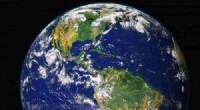
In summary, all living things and non-living things on Earth are part of a complex and dynamic system that depends on intricate interactions and feedback loops. Understanding these connections is essential for appreciating the interconnectedness of life and for ensuring the health of our planet.