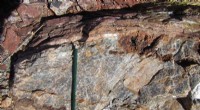
* Lack of movement: Living things, even plants, exhibit some form of movement. A rock or a piece of plastic does not.
* No response to stimuli: Living things react to their environment. A plant will turn towards light, an animal will run away from danger. A non-living object will not exhibit these responses.
* No growth or development: Living things grow and change over time. A rock remains the same size and shape.
* No ability to reproduce: Living things create offspring, either sexually or asexually. Non-living things cannot reproduce.
* No internal regulation: Living things maintain a stable internal environment (homeostasis). A non-living object does not have this internal regulation.
Important Note: There are some exceptions to these rules. For example, crystals can grow, and viruses are considered by some to be on the border between living and non-living. However, these observations are generally good indicators of whether something is alive or not.