1. Shaping Habitats and Ecosystems:
* Climate: Temperature, humidity, sunlight, and precipitation determine what species can survive in a given area. Deserts, rainforests, and tundras are all examples of ecosystems shaped by climate.
* Water: Availability, quality, and salinity of water are crucial for plant and animal life.
* Soil: Composition, nutrients, and pH influence plant growth, which in turn affects the entire food web.
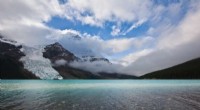
* Topography: Landforms like mountains, valleys, and coastlines influence microclimates, water flow, and distribution of species.
2. Providing Resources:
* Sunlight: The primary energy source for most ecosystems, driving photosynthesis in plants.
* Air: Provides oxygen for respiration and carbon dioxide for photosynthesis.
* Minerals: Essential nutrients found in soil and water are vital for plant and animal growth.
3. Influencing Distribution and Abundance:
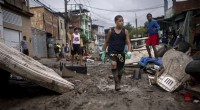
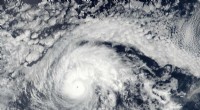
* Natural disasters: Events like wildfires, floods, and volcanic eruptions can drastically alter habitats and populations.
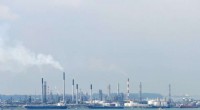
* Pollution: Air, water, and soil pollution can harm organisms and disrupt ecosystems.
* Climate change: Rising temperatures, changing precipitation patterns, and ocean acidification are causing significant shifts in species distributions and ecosystem functions.
4. Impacting Evolution:
* Environmental pressures: Abiotic factors like temperature, food availability, and predators create selective pressures that drive evolution. Species adapt over time to better survive in their environment.
Examples:
* A lack of rainfall in a desert environment forces plants to develop deep roots and water-conserving mechanisms.
* The presence of volcanic soil rich in minerals supports unique plant communities in volcanic regions.
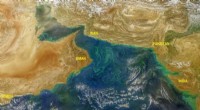
* Ocean currents transport nutrients and organisms, influencing the distribution of marine life.
* The eruption of a volcano can create new land and lead to the colonization of new habitats.
It's important to remember:
* Living and non-living factors are interconnected and constantly influencing each other.
* Changes in the non-living environment can have ripple effects throughout an ecosystem.
* Human activities are increasingly impacting the non-living environment, with consequences for all living things.
By understanding the interactions between living organisms and their non-living environment, we can better appreciate the complex dynamics of nature and work towards its conservation.