Here's a breakdown:
* Succession: A directional, predictable change in the species structure of an ecological community over time.
* Ecological Community: A group of interacting populations of different species living in the same area.
Types of Succession:
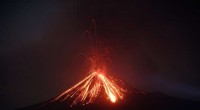
* Primary Succession: Begins in a lifeless area, such as a newly formed volcanic island or a retreating glacier, where there is no soil. Pioneer species (e.g., lichens, mosses) gradually colonize and break down rock, creating soil.
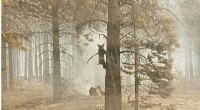
* Secondary Succession: Occurs in an area where a community has been disturbed, but soil remains. Examples include abandoned farmland, forest fires, or floods. The process is generally faster than primary succession because soil is already present.
Stages of Succession:
1. Pioneer Stage: Initial colonization by hardy, fast-growing species.
2. Intermediate Stage: Gradual replacement of pioneers by more competitive species.
3. Climax Stage: A stable community with a diverse range of species, often reaching a balance with the environment.
Factors Influencing Succession:
* Climate: Temperature, rainfall, and sunlight influence which species can survive.
* Disturbances: Natural events like fires, floods, or human activities can reset succession.
* Species Interactions: Competition, predation, and mutualism shape the community structure.
Key Points:
* Succession is a natural process that leads to increased biodiversity and community stability.
* The endpoint of succession is often a climax community, but it can be dynamic and influenced by disturbances.
* Understanding succession is crucial for ecological restoration, conservation, and managing natural resources.