Natural Disturbances:
* Fires: Wildfires can be destructive, but they also play a vital role in some ecosystems, clearing out dead vegetation and promoting new growth.
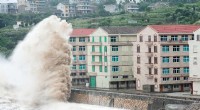
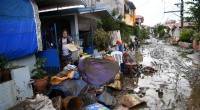
* Floods: While damaging, floods can also distribute nutrients and reshape landscapes.
* Volcanic Eruptions: These events can drastically alter the environment, causing short-term devastation but ultimately creating new habitats over time.
* Earthquakes: Earthquakes can reshape landscapes and create new opportunities for ecosystems to evolve.
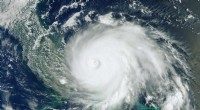
* Climate Change: Changes in temperature, precipitation patterns, and sea levels can drastically impact ecosystems, leading to shifts in species distribution, altered food webs, and overall changes in ecosystem function.
* Disease: Outbreaks of disease can decimate populations, impacting food webs and ecosystem stability.
* Invasive Species: Non-native species introduced to an ecosystem can outcompete native species, disrupting food webs and altering habitat.
Human Disturbances:
* Habitat Loss and Fragmentation: Destruction of natural habitats through deforestation, agriculture, urbanization, and infrastructure development isolates populations, reduces biodiversity, and disrupts ecosystem processes.
* Pollution: Air, water, and soil pollution from industrial activities, agricultural runoff, and waste disposal can poison organisms, disrupt nutrient cycles, and damage habitats.
* Overexploitation: Overfishing, excessive hunting, and unsustainable harvesting of natural resources can deplete populations and disrupt food webs.
* Climate Change: Human activities like burning fossil fuels are the primary driver of climate change, which has profound effects on ecosystems.
* Introduced Species: The intentional or accidental introduction of non-native species can have devastating consequences for native ecosystems.
* Genetic Modification: The introduction of genetically modified organisms into the environment can disrupt natural processes and create unforeseen consequences.
Consequences of Ecosystem Disturbances:
* Loss of Biodiversity: Disturbances can lead to the extinction of species, reduce genetic diversity, and simplify ecosystems, making them less resilient to future disturbances.
* Changes in Ecosystem Services: Disturbances can affect the provision of vital ecosystem services like clean water, air, pollination, and climate regulation.
* Increased Risk of Disease: Disturbed ecosystems can be more susceptible to disease outbreaks, impacting human health as well.
* Economic Impacts: Ecosystem disturbances can have significant economic impacts, affecting industries like agriculture, tourism, and fisheries.
It's crucial to understand the complex interactions within ecosystems and the impact of disturbances to develop effective conservation strategies and ensure the long-term health of our planet.