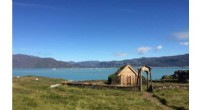
A community is a group of different populations of organisms living and interacting in a particular area. Think of it as a neighborhood for all the living things!
Here are some of the nonliving things (abiotic factors) that affect a community:
1. Climate:
* Temperature: This impacts the types of organisms that can survive and thrive.
* Sunlight: The amount of sunlight determines the types of plants that can grow, which affects the entire food web.
* Precipitation: The amount of rain or snow influences plant growth and water availability for all organisms.
* Wind: Wind can impact temperature, evaporation, and plant growth patterns.
2. Topography:
* Elevation: Higher elevations are colder and have less oxygen, impacting plant and animal life.
* Slope: Steep slopes can experience more erosion and less water retention.
* Landforms: Mountains, valleys, and bodies of water create different habitats and microclimates.
3. Soil:
* Composition: The mix of minerals, nutrients, and organic matter influences plant growth.
* pH: The acidity or alkalinity of the soil impacts what plants can grow.
* Water holding capacity: Soil's ability to retain water affects plant survival.
4. Water:
* Availability: The amount and quality of water determine what organisms can live there.
* Salinity: The salt content of water impacts which organisms can survive.
* Flow: Moving water creates different habitats than still water.
5. Other Abiotic Factors:
* Fire: Natural fires can clear out old growth and create new opportunities for some species.
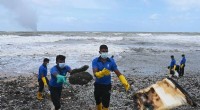
* Pollution: Air, water, and soil pollution can negatively impact organisms.
* Natural disasters: Floods, droughts, earthquakes, and volcanic eruptions can drastically alter a community.
Interplay of Abiotic Factors:
It's important to remember that these abiotic factors don't operate in isolation. They all interact and influence each other. For example, a change in precipitation can lead to changes in soil moisture, affecting plant growth and ultimately impacting the entire community.
Understanding these relationships is crucial for understanding how communities function and how they respond to changes in the environment.