Both continuum and dynamic equilibrium are concepts used to describe the state of an ecosystem, but they differ in their understanding of change and stability.
Continuum Equilibrium:
* Concept: This view sees ecosystems as constantly changing and evolving, with no fixed endpoint.
* Key Idea: There is no single, stable equilibrium state. Instead, ecosystems are in a state of continuous flux, influenced by various factors like disturbances, species interactions, and environmental conditions.
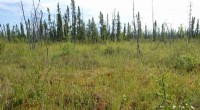
* Example: A forest ecosystem is constantly being affected by factors like fire, storms, and insect outbreaks. These disturbances create gaps in the canopy, allowing new species to colonize and modify the community structure.
* Focus: Emphasizes the importance of disturbances and how they drive the dynamic nature of ecosystems.
Dynamic Equilibrium:
* Concept: This view sees ecosystems as having a stable, balanced state, but with fluctuations around this equilibrium.
* Key Idea: Ecosystems can experience disturbances and changes, but they tend to return to a relatively stable state after these disturbances.
* Example: A grassland ecosystem might be disturbed by a drought. While the plant community might change temporarily, the ecosystem will eventually recover and return to its original state.
* Focus: Highlights the ability of ecosystems to maintain their overall structure and function despite fluctuations.
Key Differences:
| Feature | Continuum Equilibrium | Dynamic Equilibrium |
|---|---|---|
| Stability | No fixed endpoint, constant change | Stable state with fluctuations |
| Disturbance | Crucial for ecosystem dynamics | Cause temporary deviations, but allow recovery |
| Focus | Fluctuation and change | Stability and resilience |
In summary:
* Continuum equilibrium emphasizes the constant change and lack of a single, stable state in ecosystems.
* Dynamic equilibrium focuses on the ability of ecosystems to maintain a relatively stable state despite disturbances and fluctuations.
It's important to note that both concepts are valuable for understanding ecological processes. The appropriate model to use depends on the specific ecosystem and the scale of the analysis being considered. Some ecosystems may exhibit characteristics of both concepts, with some aspects being more stable than others.